

The social media platform with the best ROI is the one where your buyers already spend time and where you can track what happens after they click. For most small businesses that means Facebook and Instagram first, LinkedIn for B2B, and YouTube or TikTok if you can make video consistently. In a September 2025 Statista survey of marketers, over half named Facebook among their highest-ROI platforms, followed by Instagram (43%) and YouTube (33%).
That’s the short answer. The longer one is that social media ROI depends far more on your audience, offer and tracking than on the logo of the app. Below is how each platform tends to pay off, how to measure it properly, and how to pick where to spend your time.
What social media ROI actually means
Social media ROI is the value you get back from social media compared with what you put in. The basic formula is:
ROI (%) = (value generated − total cost) ÷ total cost × 100
The mistake most small businesses make is counting only ad spend as the cost. Your total cost should include:
- Ad spend
- Your time or your team’s time (at a fair hourly rate)
- Tools, such as scheduling apps or design software
- Any freelancer or agency fees
- Content production: photos, video, editing
And “value” has to be something real: leads, booked calls, sales, or a reasonable estimate of what a lead is worth to you. Likes and followers aren’t ROI on their own. They only count if they lead somewhere.
Best social media platforms for ROI, compared
Reach figures below come from Pew Research Center’s 2025 survey of US adults, which is the most reliable independent source on who uses what.
| Platform | US adults who use it | Best for | Where ROI usually comes from |
|---|---|---|---|
| 71% | Local businesses, adults 30+, community and events | Precise ad targeting, Messenger enquiries, groups, reviews | |
| 50% | Visual products and services, audiences under 35 | Reels, product tags, DMs, creator partnerships | |
| YouTube | 84% | How-to content, considered purchases, building trust | Videos that keep bringing in views and leads for years |
| TikTok | 37% | Younger consumers, products that demo well | Short videos that can reach new people without a big following |
| No 2025 Pew figure | B2B services, recruiting, professional audiences | Targeting by job title, company and industry; founder-led posts | |
| X (formerly Twitter) | Under 32% | News, tech, real-time customer support | Conversations and support, rarely direct sales |
Facebook is still the safest bet for most small and local businesses. Adults aged 30 to 49 are its heaviest users (80% according to Pew), and that’s the age group making most household and business buying decisions. Its ad platform lets you target by location, interests and behavior, and you can send people straight to a Messenger conversation, a lead form or your website.
Organic reach for business pages is low, so plan on a small, steady ad budget rather than hoping posts go viral. Local groups are the exception: being genuinely helpful in a few community groups can drive enquiries without any spend.
Instagram works best when your product or result is easy to show: food, beauty, fitness, home improvement, retail, travel. About eight in ten US adults aged 18 to 29 use it, compared with 19% of those 65 and older. Reels get the most reach, carousels work well for tips and before-and-after posts, and DMs are where many sales actually start.
Instagram ads run through the same Meta Ads Manager as Facebook, so you can test both from one account and see which one brings cheaper leads for your business.
YouTube
YouTube has the widest reach of any platform in Pew’s data, and it behaves more like a search engine than a feed. A useful video answering a real question (“how to fix a leaking tap”, “what does an SEO audit include”) can bring in viewers and leads for years. That long shelf life is why YouTube ROI often looks poor in month one and excellent in year two.
It takes more effort per piece of content, so it suits businesses that can commit to a regular schedule. Video also tends to show up in Google results, which ties nicely into your content SEO.
TikTok
TikTok is the platform where a new account can still reach a large audience quickly, because the feed is driven by interest rather than who you follow. Around half of US adults aged 18 to 29 use it daily. It’s a strong fit for products that demo well and for brands willing to post often and keep things informal. It’s a weaker fit for slow, high-trust B2B sales.
If you sell to other businesses, LinkedIn usually wins on lead quality even when it loses on reach. You can target ads by job title, seniority, company size and industry, which no other platform matches. For consultants and service firms, regular posts from the founder’s personal profile often outperform the company page. My guide to building thought leadership and authority covers how to do that well.
X (formerly Twitter)
X is useful for real-time updates, industry conversations and public customer support, especially in tech, media and finance. For most small businesses it’s not a strong source of direct sales, so treat it as a secondary channel unless your audience is clearly active there.
How to measure social media ROI
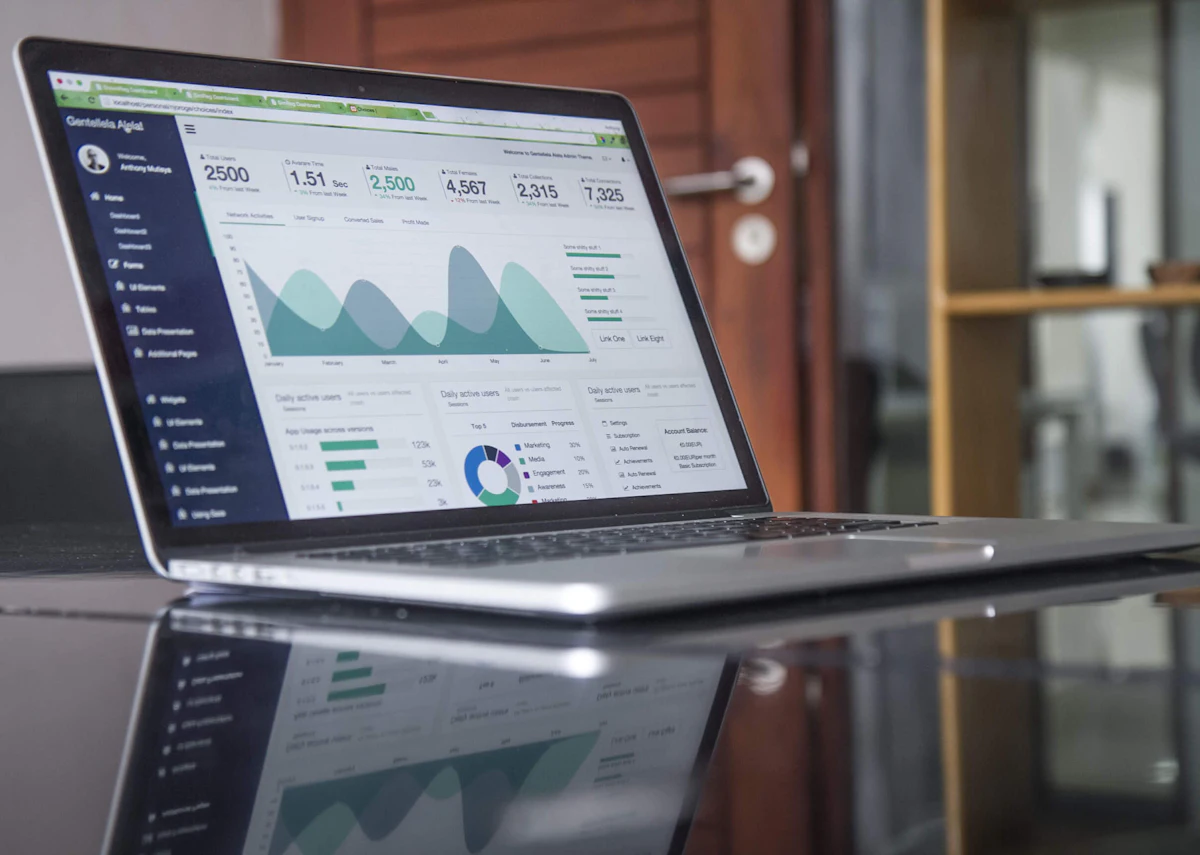
You can’t compare platforms if you can’t see what each one produces. Here’s the setup I recommend before spending a single extra hour or dollar:
- Pick one goal per platform. Leads, sales, bookings or email sign-ups. Not “awareness” on its own.
- Tag every link with UTM parameters. Google’s free Campaign URL Builder makes this easy, so Google Analytics shows exactly which platform and post sent each visitor.
- Set up conversions in GA4. Form submissions, calls, purchases and bookings should all be tracked as key events.
- Install each platform’s pixel or tag. The Meta pixel, LinkedIn Insight Tag and TikTok pixel help each ad platform optimize for the actions you care about.
- Ask new leads how they found you. A simple “How did you hear about us?” field catches what tracking misses, like someone who saw your Reel and then searched your name on Google.
- Review monthly, judge quarterly. One month is rarely enough data. Give each channel a fair test before cutting it.
How to choose the right platform for your business
Instead of trying to be everywhere, answer these questions honestly:
- Who buys from you? Age, job, location. Match that against the usage data above.
- How do they buy? Impulse purchases suit Instagram and TikTok. Considered, high-trust purchases suit YouTube, LinkedIn and Facebook.
- What can you produce every week? If you can’t make video consistently, a video-first platform will struggle no matter how good the audience fit is.
- Where are your competitors getting traction? Look at what’s working for them, then find the gap.
Start with one or two platforms, track them properly for three months, then double down on the winner. For local businesses, social media works best alongside a strong Google presence. If you’re weighing social against search, my local SEO ROI calculator helps you estimate what better rankings could be worth, and my local SEO service covers the search side.
Common reasons social media ROI disappoints
- Posting without a clear offer or next step for the reader
- Measuring likes and follower counts instead of leads and sales
- Spreading effort thinly across five platforms instead of doing one well
- Sending ad traffic to a slow or confusing landing page
- Stopping after a few weeks, before there’s enough data to judge
That landing page point matters more than most people think. If your site loads slowly on mobile, you’re paying for clicks that bounce. The page speed impact tool shows how much that could be costing you.
FAQ
Which social media platform has the highest ROI?
In surveys of marketers, Facebook is most often named as the highest-ROI platform, followed by Instagram and YouTube. For B2B businesses, LinkedIn usually brings better quality leads. The right answer for you depends on where your buyers are and how well you track results.
How do you calculate social media ROI?
Subtract your total cost (ad spend, time, tools and fees) from the value social media generated, divide by the total cost, then multiply by 100. To get the value figure, track leads and sales from each platform with UTM links and conversion tracking in Google Analytics.
What is a good ROI for social media marketing?
Any positive ROI means social media is paying for itself, but there’s no universal benchmark because margins and sales cycles vary so much. Compare each platform against your other marketing channels and against its own results over time.
Is organic social media worth it for small businesses?
Yes, if you’re consistent and helpful. Organic posts build trust and give paid ads something to point to. Just count your time as a cost, because organic social is never free.
How long does it take to see ROI from social media?
Paid campaigns can show results within weeks. Organic growth, especially on YouTube or LinkedIn, usually takes several months of steady posting before leads come in regularly.
Want marketing that you can actually measure?
Social media works best when it’s part of a joined-up plan with search. Browse my case studies to see the kind of results tracking makes possible, scope a project with the SEO cost calculator, or get in touch to talk through your goals.