
Most local businesses work on one channel at a time: a website refresh this year, a few directory listings the next, some posts when someone remembers. Google sees all of it together. Entity stacking is my name for planning those pieces as one system, so each one confirms what the others say.
The plan has five stacks. Each does a job on its own, and each makes the others stronger.
Stack 1: On-page SEO
The website is the base everything else points to. If it doesn't clearly say what you do and where, nothing else in the stack lands.
- Keyword research around your services and the places you serve
- Title tags, meta descriptions and a clean H1, H2, H3 structure
- Internal links between service and location pages
- Image compression, file names and alt text
- SEO plugin settings (Yoast, Rank Math or All in One SEO) set up properly
- A content plan for the pages that are missing
Stack 2: Google Business Profile
For local searches, the Business Profile is often the first thing a customer sees. It carries hours, reviews, photos and links in one place.
- A business description that names your main services and area
- Every service listed, with short descriptions
- Products where they apply
- Regular posts and fresh photos
- Service areas that match where you work
Stack 3: Local citations
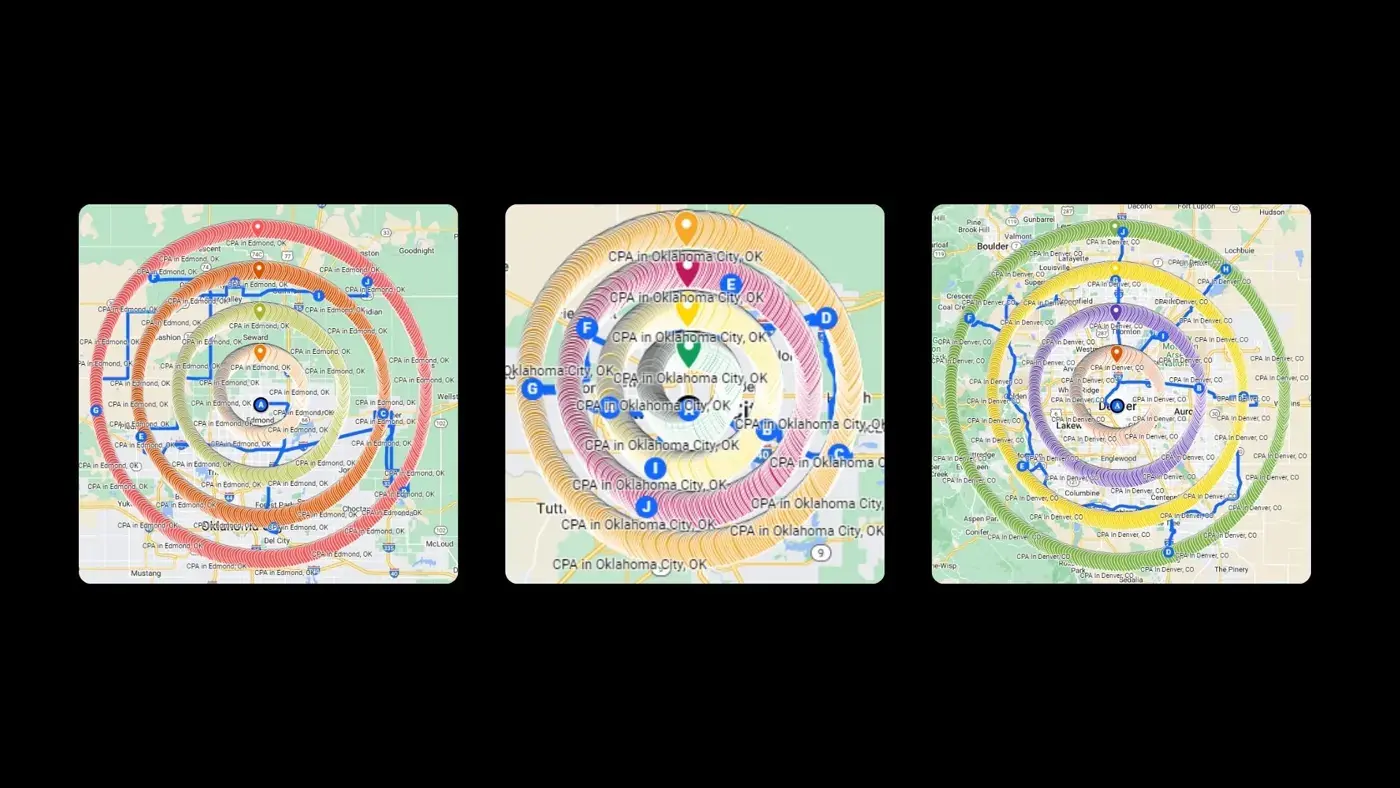
Citations are listings of your name, address and phone number (NAP) on directories and local sites. They help search engines confirm you exist and that your details are right.
- Core directories first: Bing Places, Apple Business Connect, Yelp, Facebook
- Industry and city-specific directories
- Local business classifieds
- The same NAP everywhere, down to the suite number
Stack 4: Profiles and links
Links from other sites act as votes of trust. For a local business, a handful of relevant local links beats a pile of random ones.
- Brand profiles on social and business platforms
- A few well-built Web 2.0 properties that describe the business
- Press release distribution for real news
- Guest posts on relevant sites
- Local links from partners, sponsors and community sites
Stack 5: Content
Name, address and phone used to be enough. In a crowded market, content is how you show relevance: answering real questions about your services in your area.
- Blog posts that answer customer questions
- Longer guides and PDFs worth linking to
- Short posts for social and the Business Profile
- A press release when there's something to announce
Why stacking works
Google is trying to answer one question: is this business real, relevant and close to the searcher? Each stack answers part of it. The website says what you do. The Business Profile says where and when. Citations confirm the details. Links and profiles show other people vouch for you. Content proves you know the subject.
When all five say the same thing, the map pack and organic results start to trust the business. When they contradict each other, like an old address in a directory or a service missing from the profile, rankings stall.
How long it takes
A full stack for one location usually runs over about 60 working days. The on-page work and Business Profile come first, because they change fastest. Citations, links and content build over the following weeks, and rankings usually start to move as they get picked up.